
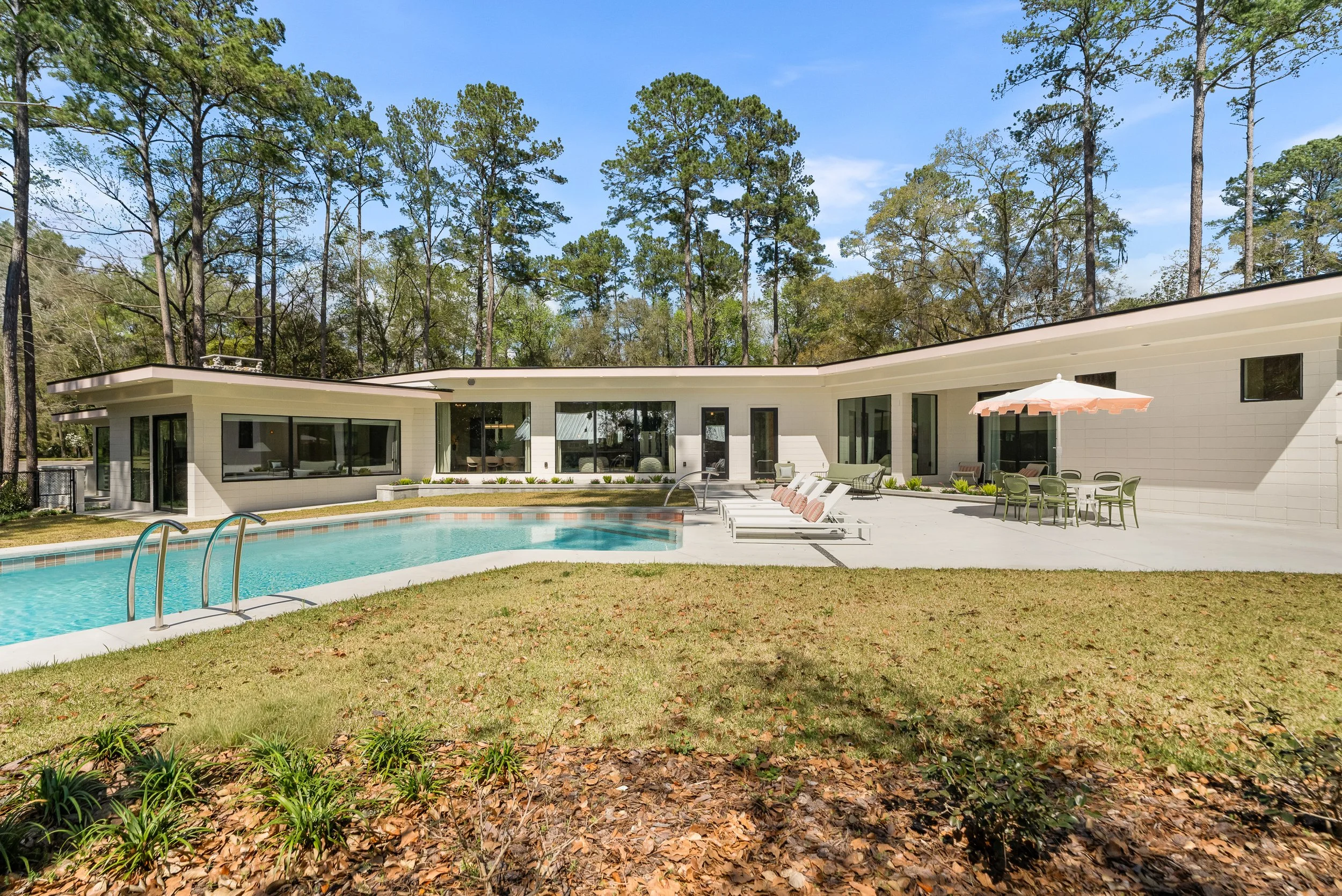

A production home is built from one of a builder’s existing floor plans, often as part of a larger development where the same handful of designs repeat throughout the neighborhood, with customization limited to a predetermined menu of options. A custom home is designed specifically around the buyer, built on an individually selected lot, with far more flexibility in layout, materials, and structural decisions. Both can result in a great home — the right choice depends less on which is “better” and more on how much flexibility, predictability, and control you actually want over the process.
What Actually Separates the Two
Production builders typically work from a set of pre-engineered floor plans built repeatedly across a development. That repetition is the entire point: the same plan gets built dozens or hundreds of times, refined along the way, with materials ordered in bulk and the same trade crews moving from lot to lot. Custom builders work the opposite direction, starting from the buyer’s specific needs and designing a layout that doesn’t exist anywhere else. Every decision, from room placement to ceiling height, is made for that one home rather than chosen from an established catalog.
Land: The Difference Most Buyers Don’t Expect
One of the most overlooked differences between the two paths is land. Production homes are almost always built in a development where the builder already owns and controls the land, so the lot comes bundled with the home purchase. Custom homes generally require the buyer to already own a lot or acquire one separately, though some custom builders offer land-and-build packages on lots they’ve identified. If you don’t already have land, that’s a step — and often a separate cost and timeline — that needs to be factored in before comparing a custom build against a production home’s all-in price. Atlantic Design Homes can help you find a lot.
Design Flexibility vs. Predictability
Production builders typically offer a menu of structural and finish options within each floor plan — maybe an extra bedroom configuration, a few cabinet and countertop tiers, a handful of exterior elevations — which keeps decisions manageable and the schedule predictable. Custom builders work without that ceiling: layout, room sizing, materials, and finishes are open to whatever fits the lot, the budget, and how you actually want to live. That flexibility is the main draw of building custom, but it also means more decisions to make and more time spent in the design phase before construction even begins.
Comparing Cost and Timeline Honestly
Production homes often come with a lower cost per square foot, largely because of the economies of scale that come from building the same plan repeatedly and ordering materials in bulk across an entire development. Builders also tend to move through the schedule efficiently, since trade crews have built the same plan many times before and already know exactly what each stage requires.
Custom homes typically span a wider cost range, since pricing depends entirely on the specific design, lot conditions, and finish selections rather than a standardized package. Timelines tend to run longer too, since a one-of-a-kind design requires its own engineering, permitting, and often custom-ordered materials rather than a repeatable, pre-approved plan. The trade-off is that you’re paying for an exact fit to your lot and your priorities, rather than choosing the closest match from a limited set of options.
Neighborhood, HOA, and Long-Term Character
Production homes are usually part of a planned development, which often comes with a homeowners association, shared amenities, and a fairly uniform streetscape where many homes share similar massing and finishes. Custom homes built on an individually chosen lot — whether that’s an established neighborhood, acreage outside town, or an infill lot — tend to offer more variety in location and surroundings, though it’s worth checking whether that specific lot still falls under an existing HOA or neighborhood covenant before assuming there are no restrictions at all.
Quality Control and Appraisal Considerations
Building the same plan repeatedly has a real advantage for production builders: issues in a floor plan tend to get identified and corrected after the first several builds, so by the time a buyer purchases a well-established plan, the kinks have usually been worked out. Custom homes don’t have that built-in repetition — every project is, in some sense, a first attempt at that exact combination of design choices — which puts more weight on the builder’s individual oversight, experience, and craftsmanship rather than a track record specific to that one floor plan.
Appraisals work differently between the two as well. Production homes in an established development usually have plenty of comparable sales nearby, since several similar homes have likely sold recently in the same neighborhood, which tends to make the appraisal process more straightforward. Custom homes can be harder to appraise, especially when they include unique features or sit in an area with fewer directly comparable sales, since an appraiser has less recent, similar data to draw from. That doesn’t mean a custom home appraises poorly — it often means the process simply requires more documentation and a more detailed appraisal to reflect the home’s actual value.
Which One Fits How You Actually Want to Live
A production home tends to be the better fit if:
You want a more predictable price and timeline from the start
One of the available floor plans already fits how your household lives
You’d rather choose from a curated set of options than make every decision from scratch
A custom home tends to be the better fit if:
You have a specific lot, layout, or set of features that no existing plan quite delivers
You’re building for the long term and want the home designed specifically around your priorities
You’re comfortable with a longer design and decision-making process in exchange for more control over the outcome
Frequently Asked Questions
Is a custom home always more expensive than a production home?
Not always, but it’s common for custom homes to cost more per square foot due to one-off design and engineering work rather than a repeatable plan. The total cost depends heavily on lot, size, and finish choices, so it’s worth comparing detailed estimates rather than assuming either path is automatically cheaper.
Can I customize a production home at all?
Usually, within limits. Most production builders offer a defined menu of structural options and finish tiers for each floor plan, but changes outside that menu, like moving load-bearing walls or significantly altering the footprint, generally aren’t available.
Do I need to already own land to build a custom home?
Not necessarily, but it’s a step you’ll need to plan for, either by purchasing a lot before working with a builder or by working with a custom builder that offers land-and-build packages on lots they’ve already identified. Atlantic Design has identified available lots for clients who work with us
Atlantic Design Homes has spent 40 years building custom homes in Gainesville, with nearly 900 completed projects shaped around the specific lots and priorities of the families living in them. If you’re weighing a custom build against a production home, we’re happy to talk through what that path actually looks like for your situation.